


Why Many AI Logos Look Alike?
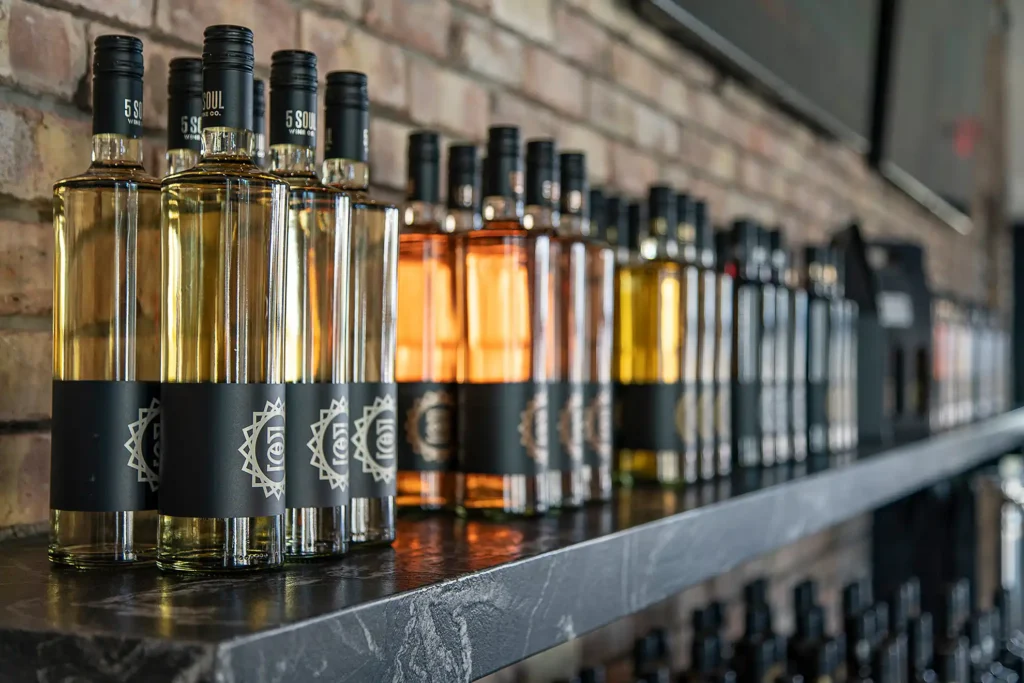
AI logos often look alike because broad prompts favor familiar symbols, type styles, compositions, colors, and polished mockups without business context; compare outputs with a fixed set of competitors, identify repeated patterns, then develop an idea grounded in your audience, promise, and applications before refining typography, vectors, and usage rules.
How to Keep Your Logo Accurate in AI-Generated Images
To keep your logo accurate in AI-generated images, generate the scene with a blank placement area, add the approved vector or high-resolution logo in design software, and check proportions, spacing, perspective, materials, contrast, and legibility at delivery size while preserving the master artwork and clearly identifying synthetic scenes when needed.
How to Turn an AI Mood Board Into a Branding Brief
Turn an AI mood board into a branding brief by naming the audience, message, desired response, visual principles, applications, constraints, exclusions, decision owner, and approval criteria; label references and explain why they matter, so a designer can solve the problem without copying the board or treating aesthetic preference as strategy.
Can AI Match Your Brand Style?
AI can imitate requested logo styles and produce visual directions, but matching your brand means defining audience, positioning, voice, category context, applications, and decision criteria, then choosing and refining a direction against those needs; a polished preview reflects prompt inputs, while a usable identity requires human judgment and controlled artwork.
Are AI-Generated Logos Original?
An AI-generated logo may be a new-looking arrangement, but that does not establish distinction, human authorship, ownership, trademark availability, or usability; treat it as an exploration, document how people selected and changed it, compare it with existing marks, check tool terms, and rebuild and test approved artwork before a launch.
Construction Logo Applications: Field Use
A construction logo works when people can recognize it on vehicles, read it on jobsite signs and proposals, and reproduce it on embroidery, equipment, and one-color materials; design a clear silhouette and practical hierarchy, test the most demanding uses, then give every crew and vendor approved artwork and placement rules.
AI-Generated Lettering vs. Real Typography
AI-generated lettering can suggest the mood of a word, but real typography requires correct text, reusable glyphs, spacing, hierarchy, language support, suitable licensing, and reliable output; use generated imagery to explore a direction, then typeset changing copy with a font or redraw fixed lettering as controlled vector artwork for production.
AI Signage Mockup vs. Fabrication-Ready Design
An AI signage mockup is useful for discussing placement, scale, and atmosphere, but fabrication-ready design must start from measured site conditions and approved artwork, then resolve applicable rules, accessibility, materials, structure, power, mounting, maintenance, and fabricator drawings; confirm those requirements with qualified local partners before pricing, permitting, fabrication, or installation.
AI-Generated Artwork Print Preflight Checklist
Before printing AI-generated artwork, confirm the selected printer’s specifications, inspect the image at its final placed size, replace invented text and critical details, check resolution, color, bleed, fonts, links, transparency, finishing, and rights, then approve an appropriate proof of the exact release file; pixel count alone cannot establish print readiness.
Logo vs Brand Identity: Which Do You Need
A logo is a mark, a brand identity is the connected visual and verbal system that makes it usable across touchpoints, and branding is the work of shaping what people understand and expect; choose the smallest scope that fixes your business problem and supports the places customers will meet you.