

Logo & Brand Decisions
Logo, Brand Identity, or Branding?
A logo is one recognizable identifier. A brand identity is the visual and verbal system that carries that identifier across touchpoints. Branding is the broader, ongoing work of shaping what people expect, remember, and say about the business.
Compare What You Need
Logo, identity, and branding scope matrix
These terms overlap, but they describe different layers of work. Comparing them by business job, output, and rollout responsibility prevents a logo quote from being mistaken for an entire brand transformation.
| Scope | Usually includes | Best fit when |
|---|---|---|
| Logo design | Primary mark, approved variations, color modes, and usable files | The identifier is the main problem and the surrounding system already works |
| Brand identity | Logo system, color, type, imagery, graphics, and usage rules | Touchpoints look disconnected or the business needs a repeatable visual language |
| Branding | Research, positioning, messages, identity, experience, and rollout decisions | The audience, offer, category, or market perception must change |
| Logo plus identity | A new mark and the core system needed to apply it | A growing business needs consistency beyond a single asset |
| Branding plus rollout | Strategy, identity, templates, production assets, and governance | A larger change must reach teams, vendors, and customer touchpoints |
The correct scope is the one that fixes the cause of inconsistency, not merely the most visible symptom.
What the buyer receives
A logo engagement resolves a focused identity mark. An identity engagement creates related parts and rules. Branding can also change the strategic story those parts express.
What the business must manage
The more work you include, the more decisions, content, launch planning, and ongoing ownership your team will need to handle.
A logo project is appropriate when the identifier is the central issue. A brand identity project fits when the business needs a connected visual system. Branding work is justified when the strategy and perception behind that system must also change.
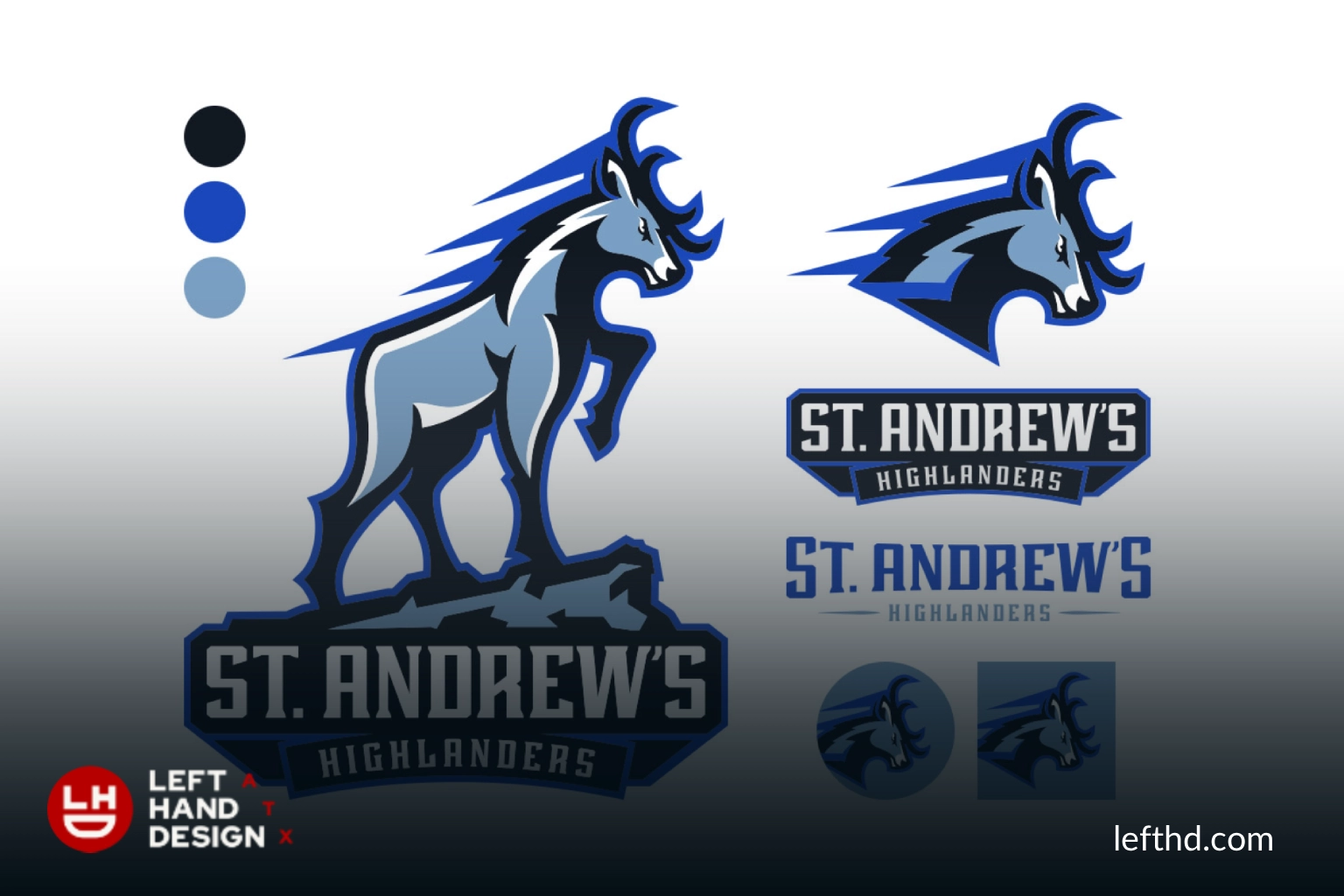
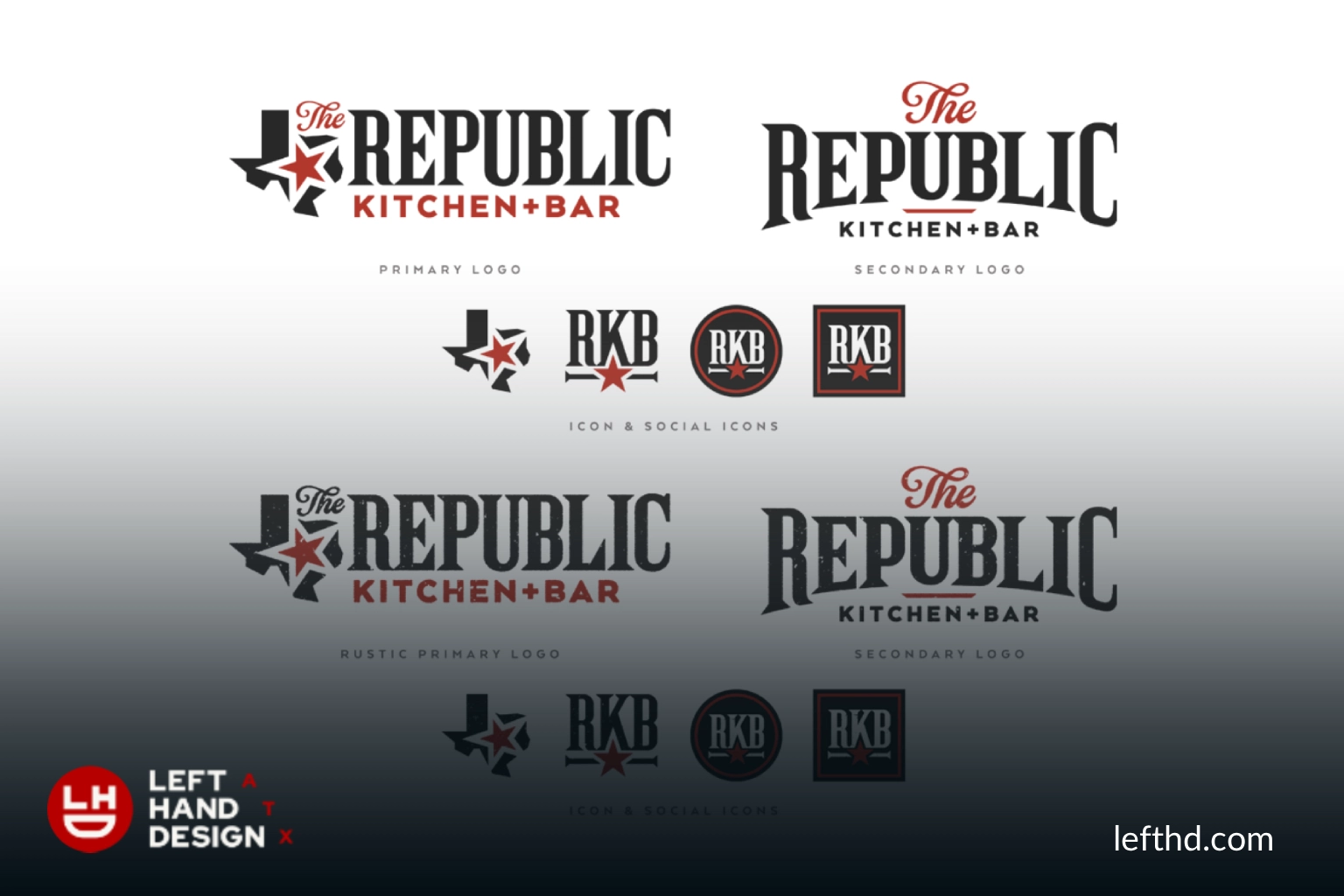
Proof note: The St. Andrew's Episcopal School portfolio visibly presents a logo family and multiple applications, while The Republic Kitchen & Bar portfolio shows branding across signage and hospitality touchpoints.
See It in Use
A working identity behaves like a family, not a pile of matching files.
A useful brand system keeps recognition stable while allowing the layout to change. The mark, type, color, imagery, and supporting graphics should feel related on a small icon, a uniform, a website, or a large sign.
Review public work by asking what stays recognizable, what changes with context, and which rules make the variations feel intentional.
- Primary and secondary marks
- Color and one-color behavior
- Typography hierarchy
- Image and graphic language
- Rules for real applications
Watch for Scope Gaps
Do not buy a logo when the real problem is a disconnected brand system.
A new mark cannot, by itself, resolve unclear positioning, inconsistent messages, scattered templates, or an unmanaged rollout.
Risk Check
Six clues that the project scope is too small or too large.
Logo-only tunnel vision
The team asks for a new mark but cannot explain how the current system fails in use. Review the logo design package deliverables before approving the handoff.
Undefined brand problem
The brief lists deliverables without naming the audience, decision, or perception that should change.
Missing applications
No one inventories signage, packaging, web, print, social, or operational templates before scope is set. Connect the decision to a controlled brand identity system rather than treating the asset in isolation.
Strategy without rollout
The plan changes positioning but leaves teams and vendors without usable assets or rules.
Identity without ownership
There is no accountable person to maintain templates, approve exceptions, or update guidelines.
Rebrand-sized disruption
A broad transformation is proposed when a focused repair would solve the actual problem with less risk.
How the Work Moves
Choose the scope by tracing the problem from cause to application.
A practical logo scope decisions plan connects your goals to the places the identity must work, the people who need to approve it, and the files your team will use. Continue with the logo design service when the scope needs production support.
Name the business change
Write one sentence describing what customers, employees, or partners should understand differently.
Audit the current system
Collect the mark, templates, website, packaging, signage, sales tools, and examples of inconsistent use.
Separate strategy from expression
Decide whether the issue is positioning, visual execution, or both.
List launch-critical touchpoints
Prioritize the applications that must work on day one and separate them from later rollout work.
Request a written scope
Confirm deliverables, concepts, revision process, file handoff, ownership terms, and rollout responsibilities.
Ready-to-Launch Checklist
Use this checklist before requesting proposals.
A useful brief gives an agency enough context to recommend the right level of work. Write down the decision, name the person responsible, and keep the final files easy to find.
- The business problem is stated in one sentence.
- Current assets and inconsistencies are collected.
- Decision-makers and approvers are named.
- Launch timing and dependencies are visible.
- Required touchpoints are prioritized.
- Strategy needs are separated from production needs.
- Ownership and file requirements are listed.
- The proposal explains what is inside and outside scope.
Ask This First
Ask what must stay consistent after the project ends.
The answer reveals whether you need one mark, a usable identity system, or broader brand strategy and rollout support.
Decision
Choose the narrowest scope that fixes the whole problem.
A logo project is appropriate when the identifier is the central issue. A brand identity project fits when the business needs a connected visual system. Branding work is justified when the strategy and perception behind that system must also change.
Do not use the biggest label to make a project sound important. Use the clearest scope to make expectations, decisions, and handoff responsibilities explicit.
Left Hand Design's logo work and public portfolio can help you compare focused mark development with broader real-world identity applications.
FAQ
Quick answers about logo scope decisions.
Is a logo the same as a brand?
No. A logo is one identifier; a brand is the wider set of expectations and associations people hold about a business.
What is included in a brand identity?
A brand identity commonly connects logo variations, color, typography, imagery, graphic elements, templates, and usage rules.
Can a business start with only a logo?
Yes, if the immediate need is focused and the business understands that more identity tools may be needed as touchpoints grow.
When does a logo update become a rebrand?
It becomes rebranding work when the project also changes positioning, audience, promise, naming, messaging, or the broader customer experience.
How should I compare proposals with different scopes?
Normalize each proposal by strategy, concepts, revisions, deliverables, rights, file formats, guidelines, rollout support, and exclusions before comparing price.
Choose the Right Scope
Choose the Right Scope
Not sure whether the problem is the logo, the identity system, or the broader brand? Left Hand Design can help define a practical scope around the change your business needs.
Sources