
Wine & hospitality
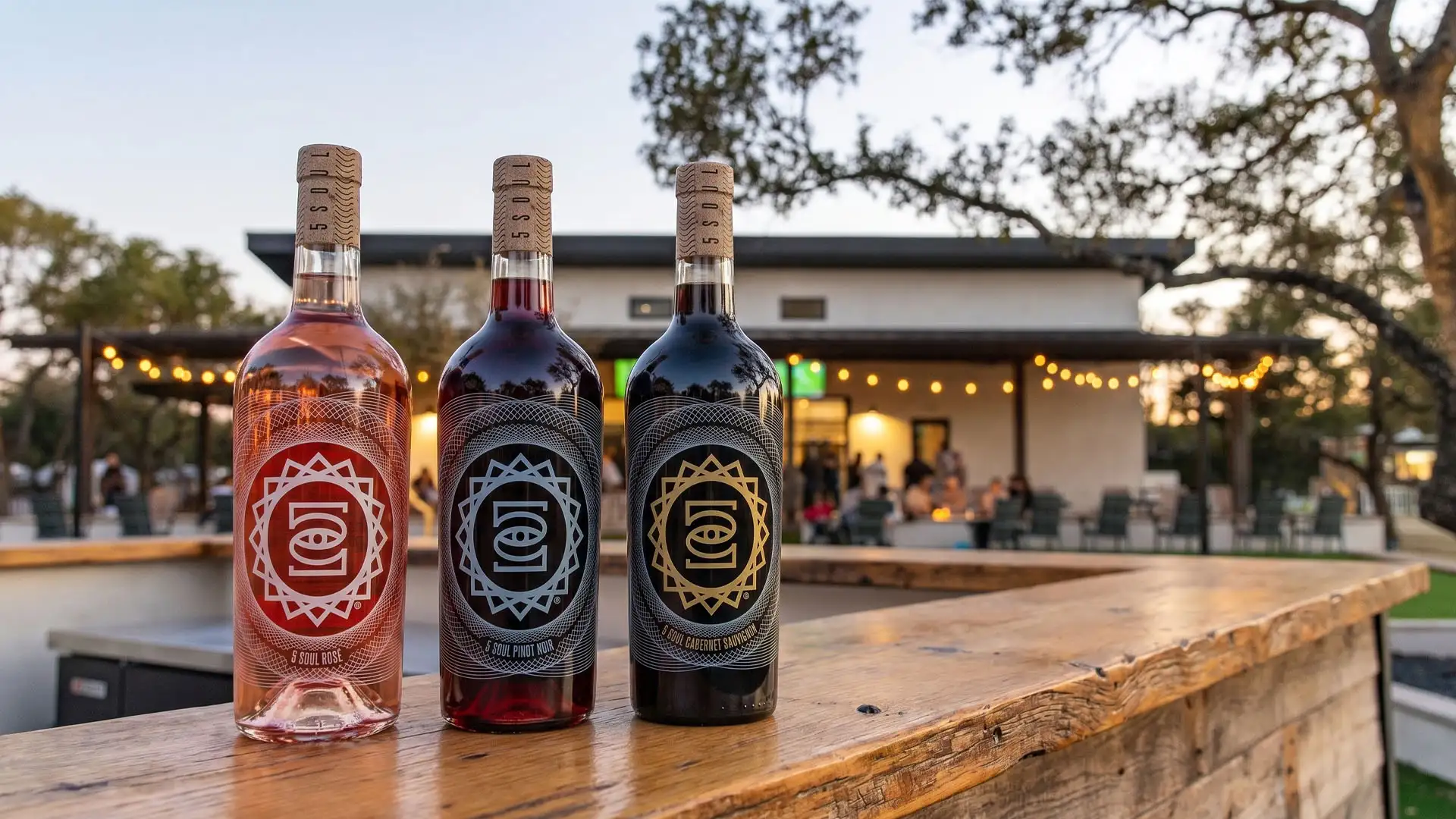
5 Soul Wine Co.
A shared identity across custom bottle designs, apparel, a website, and environmental branding for the property.
View ProjectLeft Hand Design creates visual identity systems that connect your logo, color, typography, and graphics. Give your team a clear direction for every place your brand shows up, from the first website visit to the package in someone’s hands.



































Launching something new, growing into new channels, or bringing scattered materials together? Build a visual foundation your team can use with confidence.

Start with a connected logo, visual language, and launch priorities so the first pieces feel like they belong to the same brand.

Carry an established direction into packaging, a website, and new materials without asking every team or vendor to reinvent it.
Bring inconsistent marks, colors, and layouts into one usable system when the current identity no longer fits the business.
See how a visual direction carries through the things people buy, use, wear, and visit. These projects show different ways an identity can take shape.
Wine & hospitality
A shared identity across custom bottle designs, apparel, a website, and environmental branding for the property.
View Project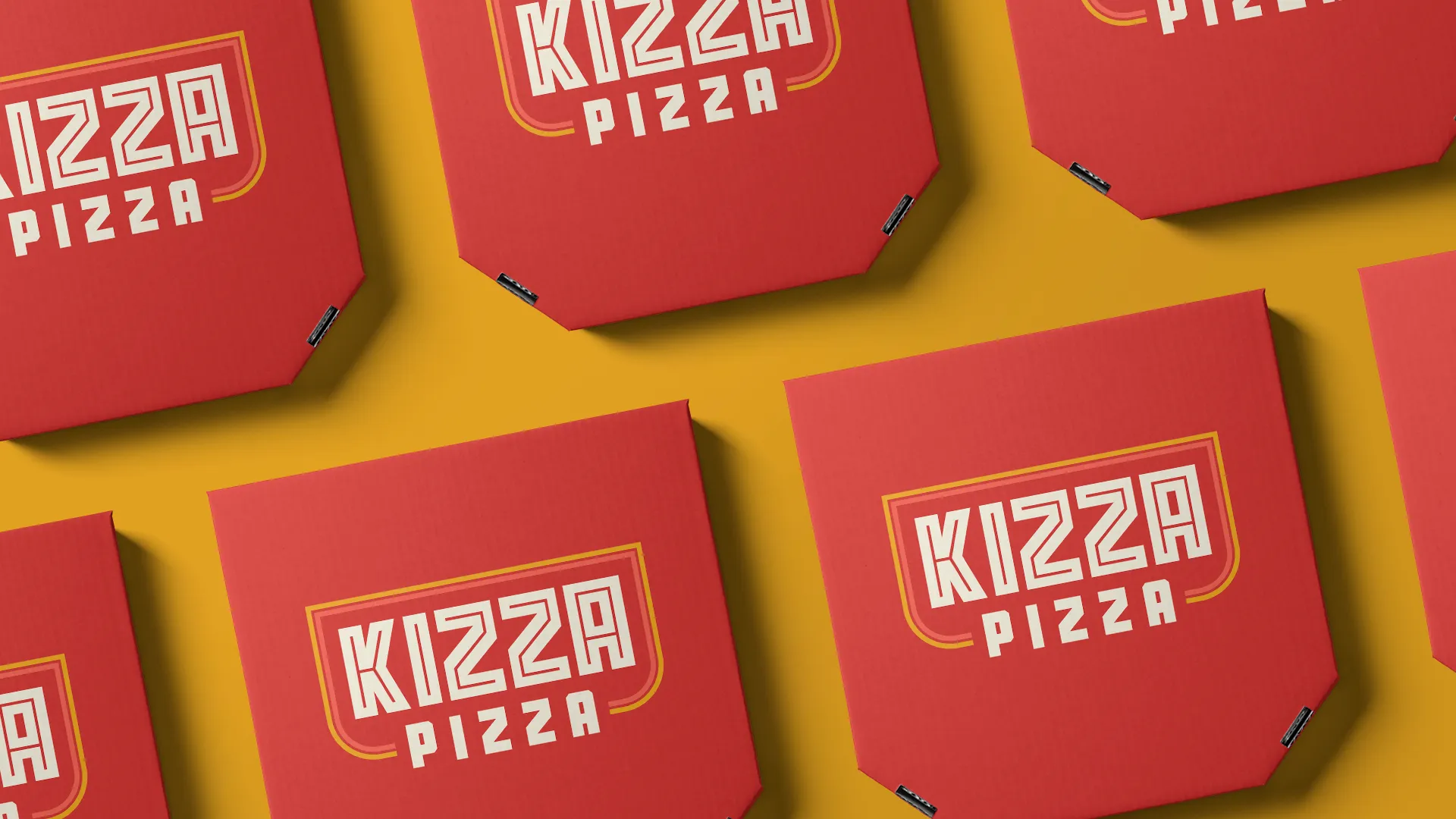
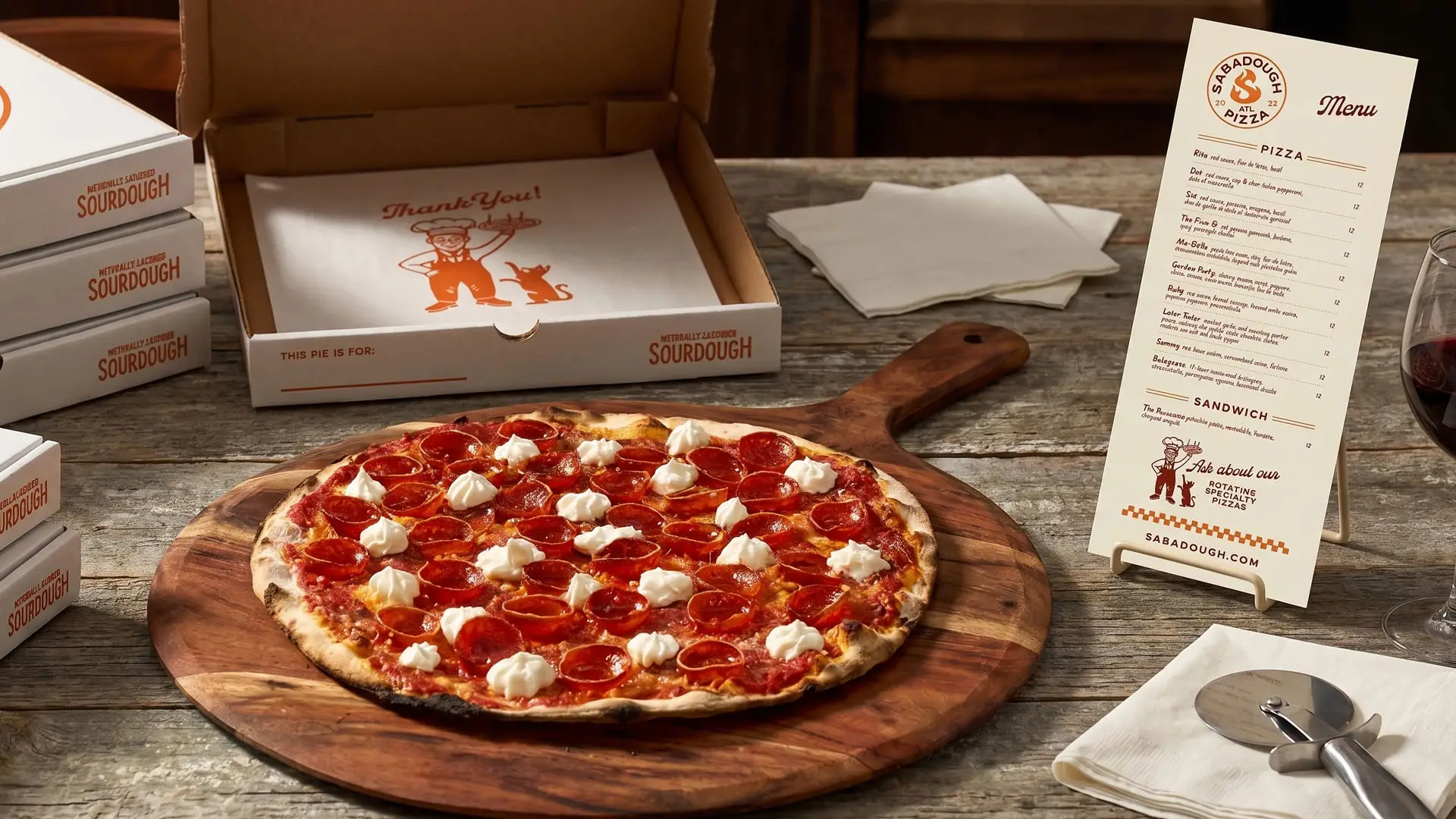
Restaurant
A logo and comprehensive style guide, with the identity shown on the pizza boxes customers take home.
View Project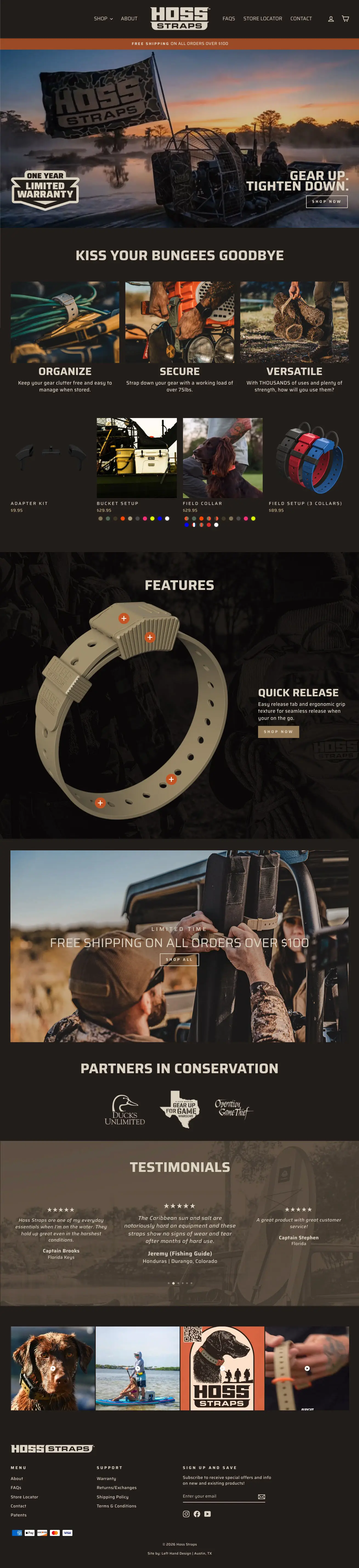
Outdoor products
A product brand connected through a logo, packaging, print collateral, a brand guide, and a website.
View Project
Brand identity design brings the visual parts of a business together. The aim is a recognizable, flexible system that works across different sizes, materials, and channels.
The identifying mark and its useful variations. If that is your main need, explore our logo design service.
The system around the mark: color, typography, imagery, supporting graphics, and usage rules that guide each application.
Your positioning, message, reputation, and customer experience also shape the brand. We define the visual identity scope around the business direction you need it to support.
Your identity scope is built around the work your team needs to do. We confirm the components, guidelines, applications, and final files before design begins. The proposal lists exactly what is included. Guidelines, templates, custom graphics, application design, and production support are scoped to the project.
Primary and supporting marks, alternate layouts, one-color and reversed versions, and social icons for the agreed uses.
Core and supporting colors with defined roles and specifications for screen and print. Pantone references are included where relevant to production.
A type direction and hierarchy for headlines, supporting labels, and body copy, with font licensing needs identified for the intended uses.
Imagery direction and the patterns, icons, illustrations, or graphic elements that make sense for your brand and approved scope.
Practical rules for logo versions, clear space, color, type, backgrounds, and common misuses, with application examples matched to the project.
The agreed templates and launch materials, plus organized exports for the teams, platforms, printers, and vendors putting them to work.
A useful brand guide helps someone choose the right asset and build the next piece with confidence. We plan the guidance around the people who will actually use it.

Restoration Health: related logo formats built for different spaces. See the identity project
The business goal and real applications guide the design. A clear scope keeps the reviews, deliverables, and launch priorities connected.
Bring your audience, goals, existing assets, decision makers, and the places your identity must appear. Share what is changing and what needs to be ready first.
Agree on the identity components, guidelines, priority applications, review stages, and schedule. Identify content and vendor requirements early.
Review the visual direction in the context of your planned uses. Consolidated feedback helps refine the marks, color, type, and supporting elements together.
Complete the approved assets and guidance for the launch. Separate what your team needs now from the applications that can follow in a later phase.
List the first customer touchpoints before the work begins. That helps us choose useful applications, test the system, and prepare the right design files.
Labels, bottles, boxes, inserts, and merchandise. A rollout might start with the hero product and extend to the rest of the range as production specs are confirmed.
Website layouts, social graphics, presentations, and email assets. Carry shared color and type rules into formats that work on a screen.
Business cards, menus, sales pieces, signage, and environmental graphics. Prepare artwork for the actual size, surface, and vendor requirements.
An identity for a single launch has different needs from a system spanning products, a website, and a physical space. Tell us where the work must go so we can define the right project.

Logo design focuses on the identifying mark and its variations. Brand identity design connects that mark with color, typography, imagery, supporting graphics, and usage rules across the agreed applications.
An existing logo may be a useful starting point. Share the original files, current materials, usage rights, and the problems you want to solve. We can assess whether the mark supports the wider system or needs refinement.
They are included when listed in the approved scope. We define the depth of the guide and the specific templates with you. Custom patterns, icon sets, illustrations, and application design are also scoped to the project.
Projects are quoted around the work required. Identity depth, guidelines, applications, templates, review needs, and production support affect the cost. Send your priority touchpoints and budget range so we can discuss a focused scope.
Yes. The identity can extend into packaging, web, print, and environmental design when those applications are part of the scope. We can separate launch essentials from later phases.
The agreement lists final formats, editable assets, usage rights, and licensing terms. It also explains how unused concepts, working files, fonts, and third-party assets are handled. Ask for the formats your team and vendors need before work begins.
No. Left Hand Design is based in Austin and works with clients nationwide. Share your location, decision team, and timing needs when you enquire so we can plan the collaboration.