Bring the right people into each review and connect feedback to the agreed brief.



Work with Left Hand Design through a clear scope, focused reviews, and an organized handoff. Know what happens next, what your team needs to bring, and how each decision moves the project forward.








































Whether you need a logo, a wider identity, a website, or new brand applications, the project starts with the business need and the places the design must work.

Define the audience, goals, deliverables, and priorities before design begins.

Bring the right people into each review and connect feedback to the agreed brief.

Prepare the approved work for the team, platforms, and vendors who will use it.
A useful brief connects the design to its real applications. Explore how these projects carry an identity into products, packaging, and digital experiences.

Wine & hospitality
A shared identity across custom bottle designs, apparel, a website, and environmental branding for the property.
View Project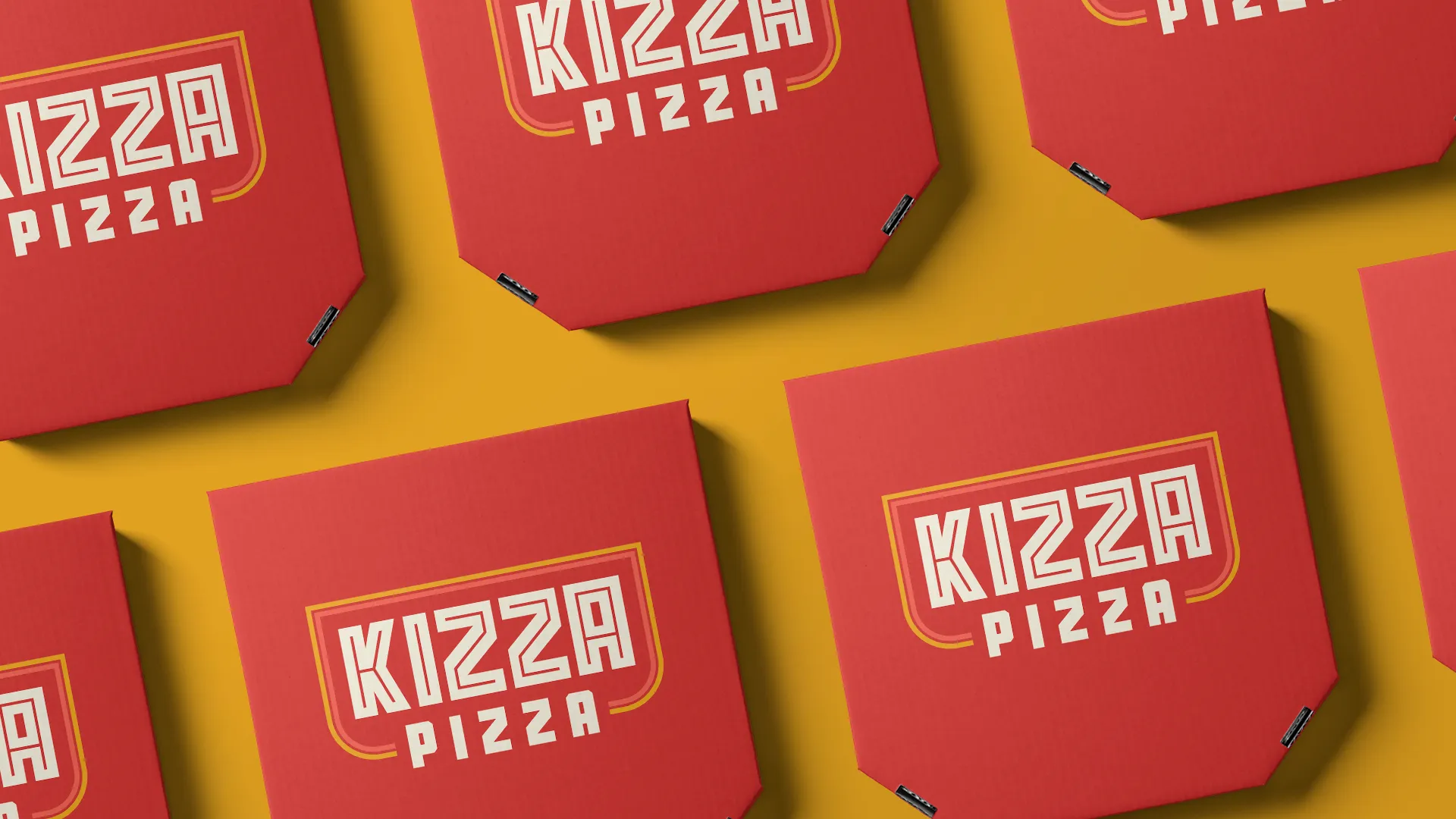
Restaurant
A logo and comprehensive style guide, with the identity shown on the pizza boxes customers take home.
View Project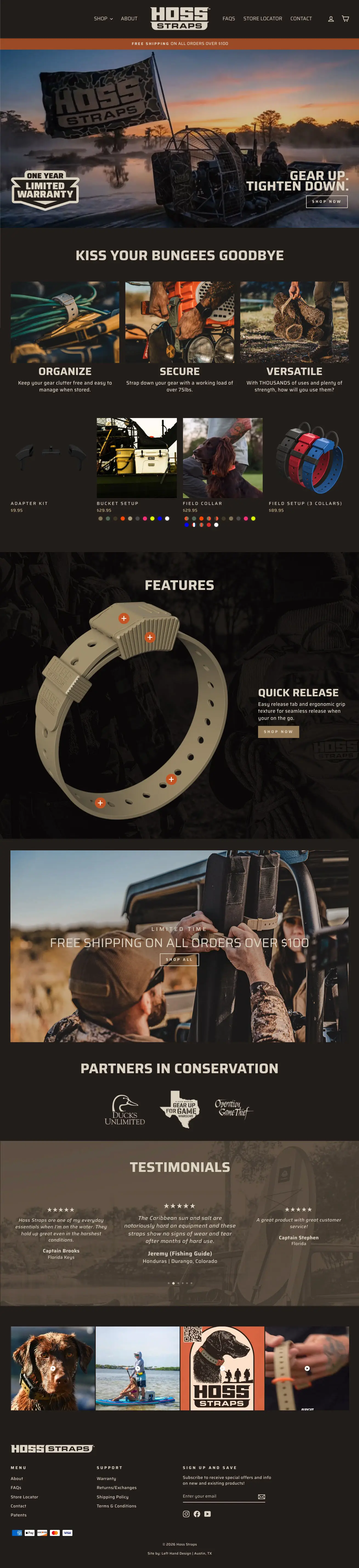
Outdoor products
A product brand connected through a logo, packaging, print collateral, a brand guide, and a website.
View Project
You do not need every answer before getting in touch. A few practical details help us understand the work, identify what is missing, and build the right scope.
What you do, who you need to reach, and what you want this project to help you achieve.
Your website, products, packaging, signs, printed pieces, or connected applications. Put the most urgent uses first.
Current logos, brand guidance, copy, photography, and useful files. Flag anything that needs to be created or cleared for use.
Your approval lead, stakeholders, budget range, target launch date, and known platform or vendor requirements.
Four stages keep the project moving with a shared brief, clear decisions, and a practical finish. The deliverables and review points follow your agreed scope.

Start with the business and the intended uses.
Before moving on: A shared understanding of the problem and the services worth scoping.
Make the working agreement clear.
Before moving on: The written proposal confirms what is included, how reviews work, and the planned handoff.
Make decisions against the agreed brief.
Before moving on: The direction and its agreed applications are approved for final preparation.
Give the work a useful next life.
Before moving on: Your team knows what has been delivered, which version to use, and what support is included next.
Useful feedback connects a design choice to the audience, the brief, or a real application. Clear responses help everyone understand what needs to happen next.
Concepts, review rounds, and deliverables are defined in the written proposal. If you need a new direction or added work, confirm the effect on scope, cost, and timing before it proceeds.

Include the right stakeholders early and name one person to collect comments and confirm your team's response.
Consolidate feedback into one review. Explain what is working, what needs to change, and which requirement the design needs to meet.
Check the direction against its intended use, whether that is a small label, a website header, or a large sign.
Approve agreed changes before the project moves into final applications, production artwork, or file preparation.
The final package follows the approved scope. Confirm what is included, who will receive it, and where the files or access details will live.
Before sign-off, check the file list, naming, intended uses, required access, and the licensing or ownership terms recorded for your project. Keep one approved set of assets for your team and vendors.
Approved logo versions, color variations, vector masters, everyday image exports, and the usage guidance or brand guidelines included in the project.
Platform and account access, approved content, editing guidance, and the walkthrough, launch tasks, or ongoing support included in the scope.
Final artwork prepared for the agreed uses and vendor specifications, with production proofs and approvals kept clear where they are part of the project.
Explore the service you need and the questions worth asking before the project begins.
Find support for logos, identity systems, websites, packaging, print, and branded environments.
See what to look for in a logo package and how to prepare for a useful handoff.
Learn how project depth, applications, reviews, and handoff needs can shape a quote.
Share your launch date at the start. The written proposal confirms the working schedule around the deliverables, review points, and dependencies your project needs.
A focused logo project and a wider identity, website, and rollout involve different deliverables and review needs.
Copy, photography, product details, dimensions, and other inputs need to be ready when the design depends on them.
Stakeholder availability and consolidated feedback affect how quickly decisions can move the work forward.
Printer specifications, proofing, platform access, manufacturing, and installation can bring schedules outside the design work itself.
You can start with the business need, audience, and intended uses. The first conversation helps identify what is missing. Logo projects use a creative brief to develop that understanding; other services need the content and specifications relevant to their scope.
Your written proposal defines the concepts, review rounds, and deliverables included in the project. It also sets out how added work is handled. Confirm how feedback will be grouped and what counts as a new direction before design begins.
The working schedule is confirmed with the scope. Deliverable count, content readiness, approval speed, vendor specifications, and launch dependencies all affect timing. Share a fixed launch date at the start so the scope and sequence can be discussed around it.
Raise the new requirement with the project lead. Confirm the added or changed deliverables, the effect on the schedule, and any change to the quote before that work proceeds.
Yes. Left Hand Design works with clients nationwide. Discuss who will attend reviews, how feedback will be consolidated, and the communication arrangements that work for your project.