


The Parts of a Brand Identity System
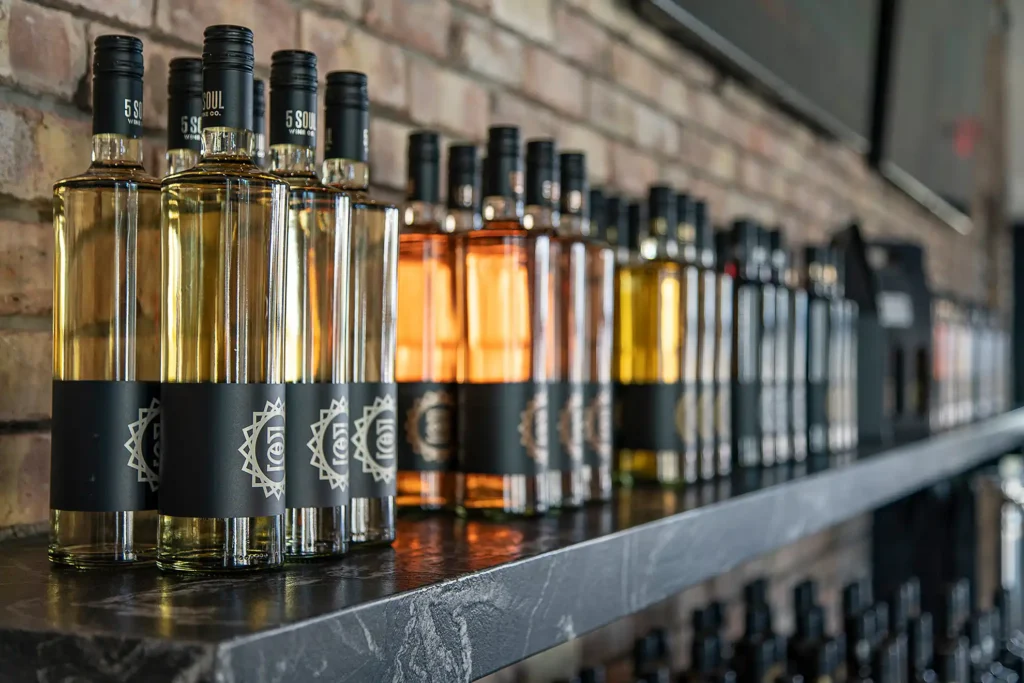
A brand identity system connects your logo, color, typography, imagery, supporting graphics, voice cues, and usage rules so every touchpoint feels related. Define the parts, show how they work across real applications, and keep the guidelines and approved assets current so your team and vendors can use the identity consistently.
Can AI-Generated Logos Truly Represent Your Brand’s Soul?
An AI-generated logo can support your brand’s character when its visual choices are grounded in a clear purpose, audience, promise, and real customer experience; a polished output alone cannot demonstrate that connection, so use human direction, specific evaluation criteria, and consistent applications to decide whether the mark fits your business.
What You Need to Know About AI-Generated Logos and Trademarks
An AI-generated logo may function as a trademark, but using a generator does not establish registrability, clearance, ownership, or exclusive rights; review the final mark against related goods and services, check the applicable tool terms, preserve creation records, and coordinate design preparation with qualified legal advice before committing to launch.
Why Many AI Logos Look Alike?
AI logos often look alike because broad prompts favor familiar symbols, type styles, compositions, colors, and polished mockups without business context; compare outputs with a fixed set of competitors, identify repeated patterns, then develop an idea grounded in your audience, promise, and applications before refining typography, vectors, and usage rules.
Can AI Match Your Brand Style?
AI can imitate requested logo styles and produce visual directions, but matching your brand means defining audience, positioning, voice, category context, applications, and decision criteria, then choosing and refining a direction against those needs; a polished preview reflects prompt inputs, while a usable identity requires human judgment and controlled artwork.
AI-Generated Lettering vs. Real Typography
AI-generated lettering can suggest the mood of a word, but real typography requires correct text, reusable glyphs, spacing, hierarchy, language support, suitable licensing, and reliable output; use generated imagery to explore a direction, then typeset changing copy with a font or redraw fixed lettering as controlled vector artwork for production.