


The Parts of a Brand Identity System
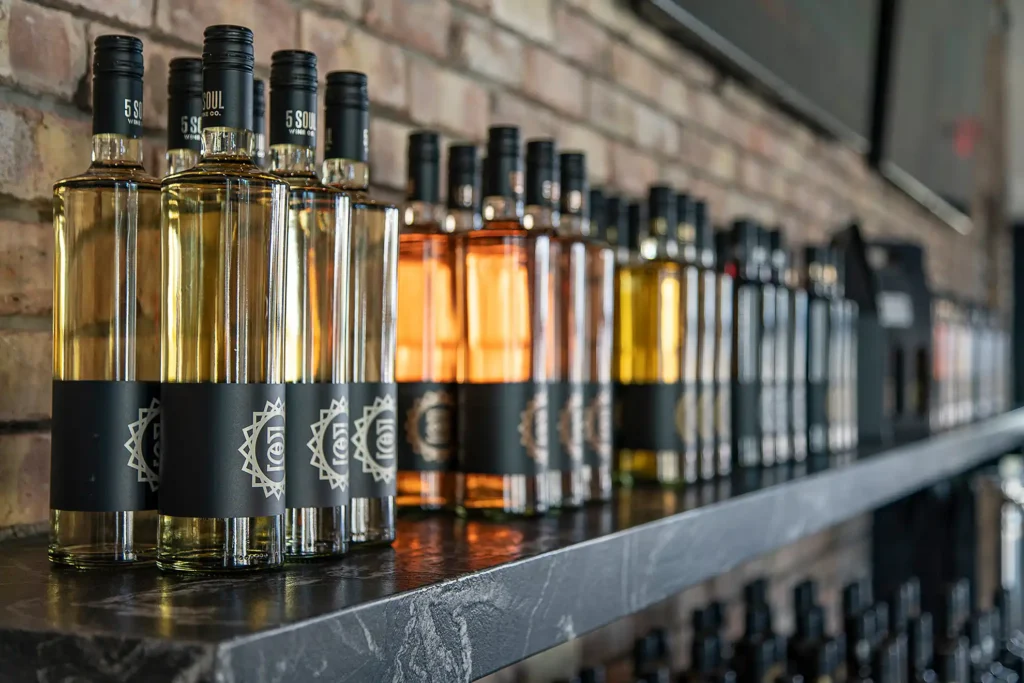
A brand identity system connects your logo, color, typography, imagery, supporting graphics, voice cues, and usage rules so every touchpoint feels related. Define the parts, show how they work across real applications, and keep the guidelines and approved assets current so your team and vendors can use the identity consistently.
Can AI-Generated Logos Truly Represent Your Brand’s Soul?
An AI-generated logo can support your brand’s character when its visual choices are grounded in a clear purpose, audience, promise, and real customer experience; a polished output alone cannot demonstrate that connection, so use human direction, specific evaluation criteria, and consistent applications to decide whether the mark fits your business.
Brand Rollout Checklist
A brand rollout succeeds when every customer and employee touchpoint has an owner, approved assets, a practical release date, and a way to verify the change; inventory digital and physical uses, prioritize high-risk dependencies, brief vendors and teams, then retire old versions through a documented post-launch review and exception process.
Restaurant Logos on Menus, Signs, and Delivery Apps
A restaurant logo succeeds when guests can recognize it from the street to the menu and delivery app; test the approved mark at real viewing sizes, on actual materials and backgrounds, then prepare controlled variants and vendor files so the identity stays legible, distinctive, and consistent across every guest touchpoint.
Who Owns an AI-Generated Logo?
Downloading an AI-generated logo may permit use of an output, but it does not by itself establish copyright ownership, exclusive rights, or trademark protection; review the tool terms, human creative contributions, contributor agreements, embedded fonts and assets, final source files, and brand use, then have qualified counsel resolve jurisdiction-specific questions.
How to Keep Your Logo Accurate in AI-Generated Images
To keep your logo accurate in AI-generated images, generate the scene with a blank placement area, add the approved vector or high-resolution logo in design software, and check proportions, spacing, perspective, materials, contrast, and legibility at delivery size while preserving the master artwork and clearly identifying synthetic scenes when needed.